A Budget-First Roadmap That Transforms Your Whole Home
Today we’re diving into a budget-first roadmap for whole-home transformations, showing how clear priorities, phased planning, and smart sourcing can stretch every dollar. Expect practical steps, candid stories, and tools you can copy immediately, whether you’re refreshing a cottage or modernizing a large family house. Share your constraints and we’ll help turn them into strategic momentum.
Clarify the Vision and Build a Realistic Baseline
Turn a Vague Wish List into a Ranked Scope
Brain-dump everything you want, then force trade‑offs using a simple scorecard: safety, function, durability, energy savings, and delight. Assign each item a 1–5 score, total it, and sort. This turns arguments into numbers, and numbers into clear, confident decisions everyone can live with.
Zero‑Based Budgeting with Honest Constraints
Start at zero, justify every line, and confirm affordability against your monthly cash flow, not just savings. Include permits, dump fees, delivery, storage, fasteners, and tool rental. If money is tight, fade features, not fundamentals, and protect livability by reserving a cash cushion for surprises.
Reality Checks from Market Data and Pros
Collect three comparable quotes, scan permit records for similar projects in your area, and ask inspectors about typical pitfalls. Use square‑foot benchmarks as only a starting point. When estimates clash wildly, reconcile scope definitions, finishes, and lead times before committing to any calendar or deposit.
Prioritize Rooms and Systems for Maximum Impact
Not every square foot carries equal value. Kitchens, bathrooms, building envelope, and mechanical systems often deliver the strongest livability and resale gains, while cosmetic updates can wait. We’ll target investments that improve safety, comfort, and energy performance first, using a simple ladder of needs to guide sequencing and protect momentum when budgets inevitably hit turbulence.
Steer roughly seventy percent toward core systems and high‑use spaces, twenty toward durable finishes with timeless appeal, and ten toward joyful flourishes you can easily scale back. This split keeps your project resilient under pressure, ensuring essential upgrades stay funded even when a discovery demands rework or material changes.
Water, electricity, and load paths decide whether your house behaves, not paint or pillows. Stop leaks, upgrade hazardous wiring, and remedy sagging or rot before shopping backsplashes. These moves protect future finishes, lower risk, and often unlock insurance savings, rebates, and inspection goodwill that compound downstream benefits.
Target fixes you feel every hour: lighting layers, door hardware that actually latches, strategic shelving, draft sealing, and bath ventilation that really clears steam. Small, inexpensive changes compound morale, keep dust manageable, and buy patience while larger phases incubate designs, permits, and deliveries without derailing your finances.

Dependencies, Dust Zones, and Temporary Utilities
Map which tasks unlock others, then design dust containment, negative air, and clean paths before demolition. Plan temporary kitchenettes, showers, or laundry with GFCI protection and safe ventilation. Functionality between phases reduces eating‑out costs and keeps tempers cool when schedules slip for reasons outside anyone’s control.
Calendars Meet Cash: The Funding Timeline
Align deposits, draws, and material payments with real cash arrival. If using a HELOC, factor rate resets; if using savings, protect an emergency fund. Place big-ticket orders right before promotional periods, then store with moisture control to avoid warping, claims, and frantic replacement purchases.
Permits, Inspections, and Lead Times
Call your building department early to verify whether over‑the‑counter permits apply and which inspections cluster logically. Long‑lead items like windows or specialty valves can throttle progress; order them first. Track submittals, approvals, and delivery windows in one sheet so nobody waits on surprises that vaporize momentum.
Phase the Work and Protect Cash Flow
Breaking the journey into contained stages preserves routine and money. Each phase should stand alone functionally, include punch‑list closure, and have a clear budget gate. We’ll sequence dependencies, forecast lead times, and time purchases around sales cycles. Share your move‑in dates or constraints, and we’ll suggest phasing that respects sleep, pets, kids, and neighbors.
Source Smart: Materials, Methods, and Alternatives
Value Engineering Without False Economy
Swap porcelain for natural stone in wet zones, choose factory‑finished trim that reduces paint cycles, and specify click‑lock flooring where repairs are easier. Avoid trap bargains like cheap fasteners or no‑name electrical components. True value lowers maintenance hours and failure risk, delivering savings long after ribbons are cut.
Reuse, Refinish, and Salvage Beautifully
Refinish solid doors, powder‑coat grilles, retrofit dimmable LEDs into existing cans, and keep good cabinets with new doors and hardware. Architectural salvage yields real woods and patina impossible to fake. Share a photo of something you rescued; we’ll brainstorm ways to make it sing in a modern context.
Buy on the Calendar, Not on Impulse
Major appliances and tools follow predictable promo seasons, while flooring and paint often discount when warehouses rotate stock. Stack price matching with rebate apps and credit card offers, then screenshot every promise. These habits turn patience into cash, protecting your budget without endless coupon hunting or midnight panic buys.

Skill Audit and the True Cost of Free Labor
Estimate hours honestly and multiply by your blended hourly rate, including recovery time, tool learning, mistakes, and cleanup. If a pro does it in four hours and you need three weekends, your ‘free’ becomes expensive. Choose tasks where your learning curve returns dividends on future projects.

When Pros Save You Money
Complex tile layouts, structural steel, service panel upgrades, and wet-room membranes punish inexperience with costly leaks and do‑overs. Pros bring warranties, code fluency, and speed that compress loan interest and rental overlaps. Pay for mastery where errors are catastrophic, and keep your sweat for forgiving, repeatable tasks.
Write Crystal‑Clear Scopes and Milestones
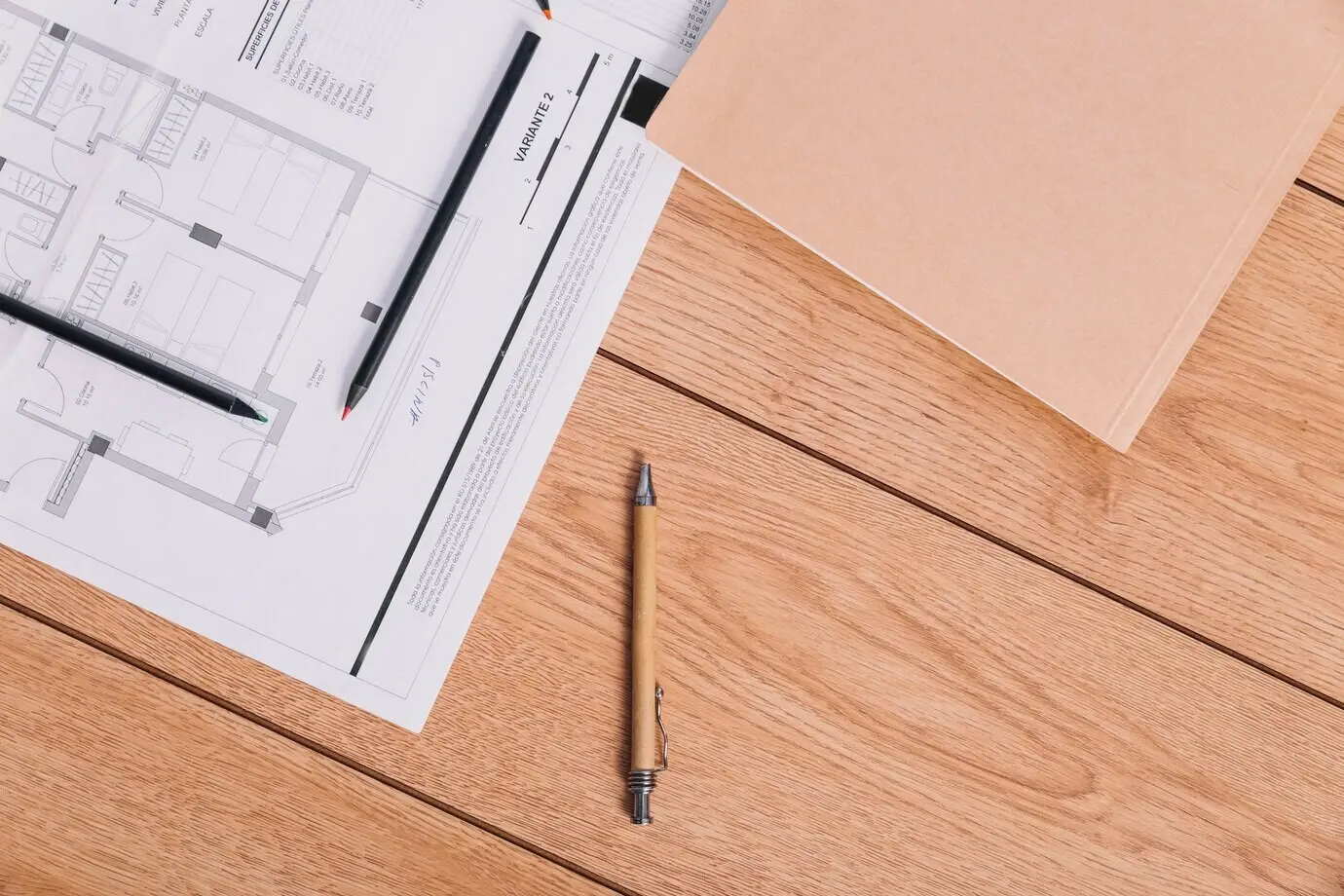
Define deliverables, materials by brand and spec, exclusion lists, and cleanup standards. Tie payments to passed inspections and photo‑verified milestones. Use a shared note with dates, change orders, and decisions logged. Clarity prevents resentment, surprise invoices, and schedule drift, keeping collaboration friendly even when surprises pop from the drywall.
Plan for Risk, Measure Results, and Celebrate
Every renovation contains unknowns; smart planning reduces their cost. Build buffers for money, schedule, and energy, then measure outcomes so the next phase gets easier. We’ll track energy bills, comfort, acoustics, and maintenance minutes. Post your biggest worry below; together we’ll turn it into a checklist and contingency that restores confidence without inflating the budget needlessly.
All Rights Reserved.