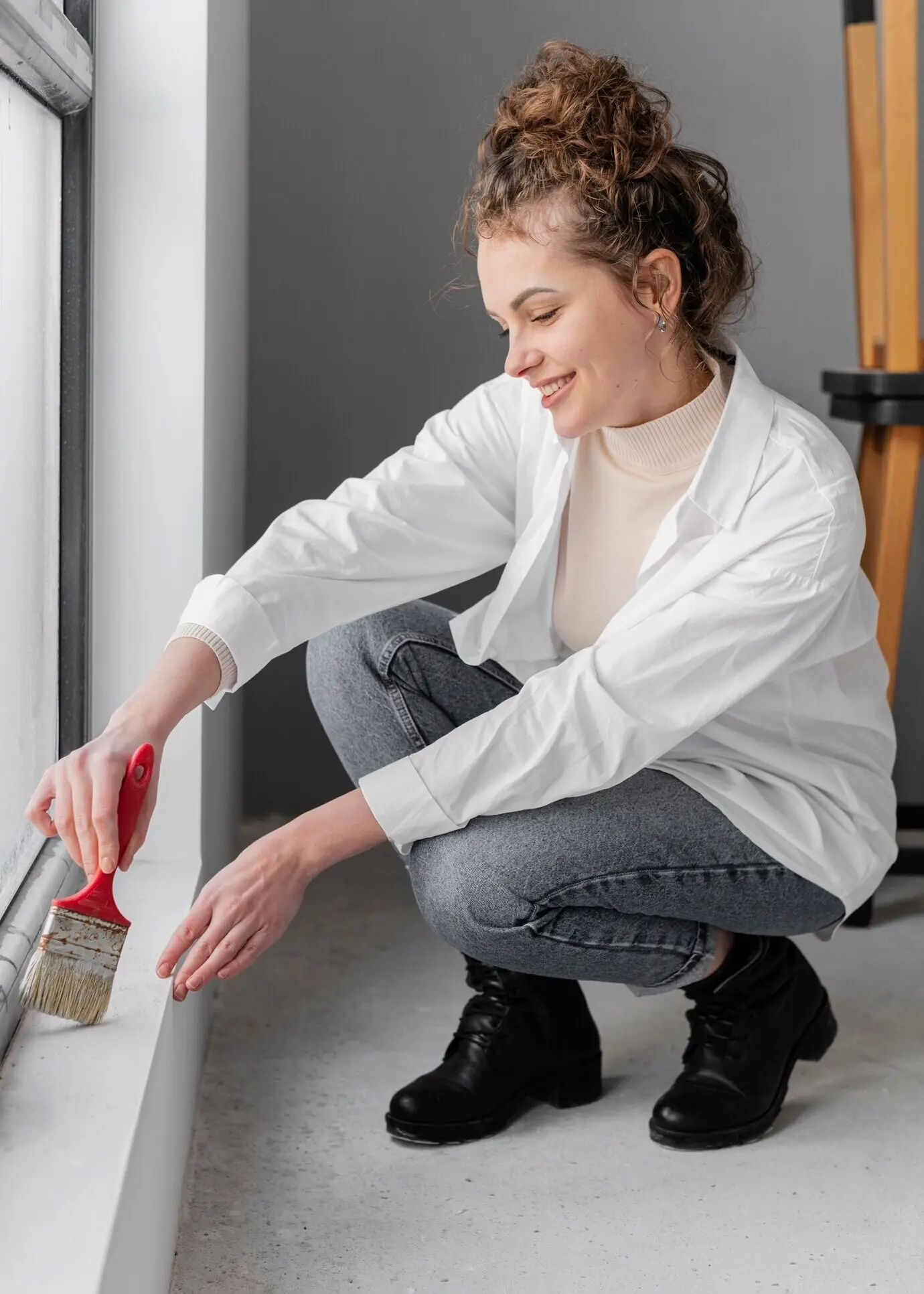
From Vision to Finish: A Sustainable Makeover Workflow

Join us as we explore Sustainable Makeover Workflow: Eco-Conscious Materials, Methods, and Finishes, turning renovation into stewardship. We’ll map decisions, select healthier materials, choreograph low-impact methods, and apply enduring finishes, empowering you to transform spaces responsibly without sacrificing beauty, comfort, or budget-savvy results.

Define Goals, Baseline, and Non-Negotiables

Start by articulating what success looks like in plain, testable language. Will you target low embodied carbon, zero added formaldehyde, or improved daylighting? Establish a baseline through utility bills, room-by-room assessments, and materials inventories. Name hard limits around toxins, waste, and maintenance, ensuring every later decision respects these protective guardrails.

Audit Existing Conditions With Curiosity

Before buying anything, learn from what already exists. Identify reusable doors, cabinetry, or hardwood hidden beneath carpet. Test for moisture, asbestos, and lead paint to ensure safe handling plans. Document dimensions, sun paths, ventilation patterns, and thermal weak points to avoid guesswork and invest where performance and comfort truly improve.

Prioritize High-Impact Interventions

Not every impressive idea moves the needle equally. Rank your options by health benefits, embodied carbon savings, operational performance, and cost per outcome. Often, careful air sealing, insulation improvements, and daylight strategies beat flashier swaps. This disciplined ranking lets you invest smartly, stage phases gracefully, and celebrate meaningful wins early.

Materials That Matter: Healthier, Lower-Carbon Choices

Selecting materials is both science and storytelling. Each product carries origins, chemistry, labor practices, and end-of-life realities. Focusing on recycled content, bio-based feedstocks, verified sourcing, and transparent disclosures helps you reduce hidden impacts while elevating tactile quality, acoustics, and longevity that people feel every single day.

Structure, Surfaces, and Substrates

Favor FSC-certified or reclaimed wood, rapidly renewable bamboo with verified adhesives, and cork underlay for quiet, resilient floors. Choose recycled-content gypsum, low-clinker cement alternatives, and mineral-based boards. For counters, consider recycled paper composite or post-consumer glass. Every layer beneath the finish influences durability, emissions, and future repairability.

Adhesives, Sealants, and Paints

Give special scrutiny to what off-gasses the most. Specify zero- or ultra-low-VOC paints, waterborne coatings, and no-added-urea-formaldehyde resins. Use solvent-free adhesives where feasible. Seek Health Product Declarations, Declare Labels, or Cradle to Cradle certifications. Prioritize simple ingredient lists, manufacturer transparency, and ventilated curing windows that protect occupants during and after installation.

Sourcing, Certifications, and Traceability

Ask suppliers for EPDs to compare embodied carbon, HPDs for ingredient transparency, and FSC chain-of-custody for wood. Vet quarry and factory practices, transportation distances, and packaging waste. Prefer regional options, clear documentation, and take-back programs that keep materials in circulation. Paper trails become practical tools when tough decisions arise under deadlines.

Methods for Low-Impact Execution

A sustainable plan succeeds only when onsite practices honor the same values. Construction rhythms, protection protocols, and waste logistics decide whether indoor air remains healthy and materials actually get reused. Thoughtful sequencing prevents damage, accelerates drying times, and preserves the quiet, clean environment neighbors and households appreciate.

Finishes That Breathe, Shine, and Last

Paints, Plasters, and Color Stories

Consider mineral or lime-based plasters that regulate humidity and resist mold. Choose zero-VOC paints with verified tints, testing sample patches under daylight. Use primer systems compatible with existing substrates. A thoughtful palette can bounce natural light deeper indoors, reducing artificial lighting needs while creating calm, grounded moods that age gracefully.

Wood Oils, Waxes, and Protective Coats

For floors and millwork, plant-based oils, hardwax finishes, and waterborne polyurethanes balance durability with low emissions. Spot-repairability reduces future waste and maintenance anxiety. Confirm slip resistance, sheen stability, and curing profiles. Test in high-traffic zones first, learning how microfiber pads, neutral cleaners, and felt pads extend beauty for years.

Stone, Tile, and Composite Care

Sealers should be water-based, low-odor, and compatible with grout chemistry. Consider epoxy-free options where performance allows. Select dense tiles or locally sourced stone to reduce maintenance. Match cleaners to pH needs to avoid etching or haze. Routine, gentle care beats heavy chemicals, preserving both material integrity and indoor air quality.

Embodied Carbon and Life Cycle Thinking

Use EPDs and basic LCA tools to compare options like reclaimed wood against virgin lumber or low-carbon concrete mixes against standard blends. Shorten transport distances and prioritize lighter assemblies where appropriate. Remember durability often beats frequent replacement, turning conservative, well-maintained choices into stealth climate wins over decades.

Indoor Air Quality and VOC Control

Track VOC emissions during finishing and early occupancy with portable monitors and ventilation schedules. Specify materials with explicit emissions testing, not vague marketing. Protect sensitive occupants by staging installations and allowing full cure times. Cleaner air supports sleep, cognition, and joy—benefits you feel long after construction dust settles.

Stories From Real Transformations

A Sunny Apartment With Gentler Materials

A renter-friendly refresh swapped heavy curtains for translucent linen, introduced a reclaimed maple table, and used zero-VOC paint in warm neutrals. HEPA-filtered sanding reduced dust, and existing cabinets were brightened with new hardware. Energy bills dropped modestly, but daylight and air quality improvements transformed daily routines noticeably.

A Small Office That Breathes Easier

Deconstruction salvaged glass partitions and doors for reuse. Cork flooring over an acoustic underlayment softened footsteps, while mineral paint eliminated odors. Task lighting and occupancy sensors trimmed utility costs. Staff reported fewer afternoon headaches, and clients immediately noticed calmer acoustics—an operational win born from quiet material decisions.

A Kitchen That Chose Repair Over Replace

Instead of new boxes, sturdy plywood cabinets were refaced with FSC veneer and finished in waterborne clear coat. Countertops used recycled paper composite; a high-efficiency range hood improved ventilation. Waste fell dramatically, lead times shrank, and the family kept cherished layout quirks that made cooking genuinely joyful.

Engage, Share, and Keep the Momentum

Sustainable makeovers grow stronger through community. Share your wins, surprises, and challenges so others learn faster. Contribute product notes, local salvage leads, or maintenance routines that worked. Subscribe for future checklists, workshops, and case studies, and tell us what you need next so we can build it together.
Vafopimamoruveloko
Privacy Overview

This website uses cookies so that we can provide you with the best user experience possible. Cookie information is stored in your browser and performs functions such as recognising you when you return to our website and helping our team to understand which sections of the website you find most interesting and useful.